In the world of modern sports, where synthetic materials, acrylic resins, and hard courts dominate, Wimbledon proudly stands as the ultimate bastion of tradition. Playing on grass is not just a change of surface; it is an interaction with a living organism that breathes, changes, and reacts to every step, every shot, and every shift in the weather.
The court at the Centre Stadium of the All England Club is not just the stage for epic tennis battles – it is a botanical masterpiece, the result of incredible precision, science, and the year-round effort of a team of world-class agronomists.
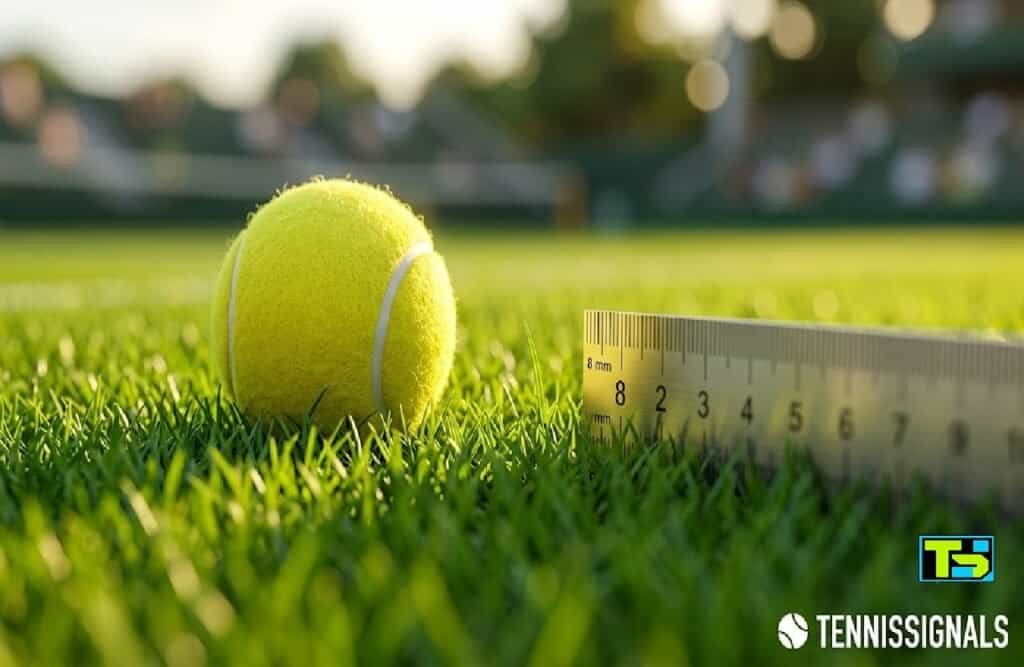
The 8-Millimeter Rule: Mathematical Perfection
Why is the grass at Wimbledon never taller or shorter than exactly 8 millimeters during the tournament? The answer lies in the perfect balance between the mechanics of the game and the biology of the plant.
Through decades of testing, experts have determined that a height of 8 mm represents the optimal sweet spot. If the grass were shorter, it would not be able to withstand the brutal pounding and sudden changes of direction of elite athletes, and the soil would become bare too quickly. On the other hand, if it were just a millimeter or two taller, the ball would absorb too much moisture from the blades, becoming heavy, and the bounce would be unpredictable and too low.
The Historic Change of 2001: Why the Game is Different Today
Longtime tennis fans remember Wimbledon from the 1990s as a testing ground for pure serve-and-volley tennis. Players like Pete Sampras or Goran Ivanisevic relied on an extremely fast surface and a low ball bounce.
However, in 2001, a monumental shift occurred. The organizers, in cooperation with the Sports Turf Research Institute, decided to change the composition of the grass. Until then, a mix was used (70% perennial ryegrass and 30% creeping red fescue). Since 2001, Wimbledon has been played on 100% Perennial Ryegrass.
This change was introduced primarily to make the courts more durable and to better survive two weeks of extreme wear and tear (especially on the baseline, where modern players move the most). A side effect of this firmer ground was a slightly higher and slightly slower ball bounce. This allowed baseline players to compete on equal footing for the title and completely transformed modern grass-court tennis.
The Art of Maintenance: 15 Months for Two Weeks of Glory
The green carpet we watch on our screens requires an incredible amount of labor. Work on the courts for Wimbledon 2026 actually began back in April 2025. As soon as the final match ends, agronomists step onto the court, remove the top layer of worn soil and turf, and start from scratch.
Throughout the year, the grass is mowed every other day, watered using strictly controlled systems, and the soil is rolled daily to achieve a concrete-like hardness necessary for a proper ball bounce. The lines are not painted; instead, they are drawn using a special titanium dioxide formula to ensure they are brilliantly white without killing the plant underneath.
And while tennis legends will come and go on this iconic court, the main and undefeated champion of the All England Club will always remain – its holy grass.
Looking for more stories from London, match schedules, and the latest analyses? Return to our Wimbledon 2026 – The Ultimate Guide and stay up to date with every detail of the most prestigious Grand Slam!